About This Procedure
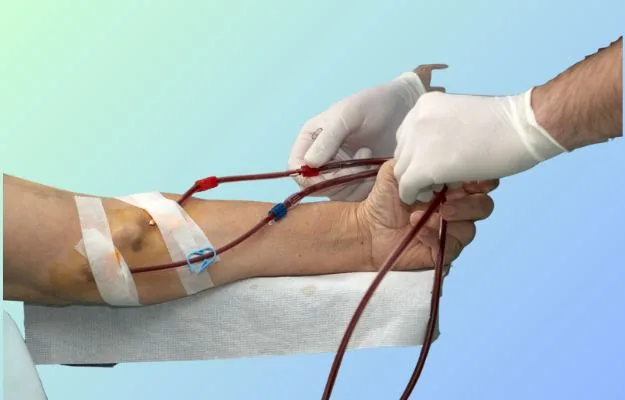
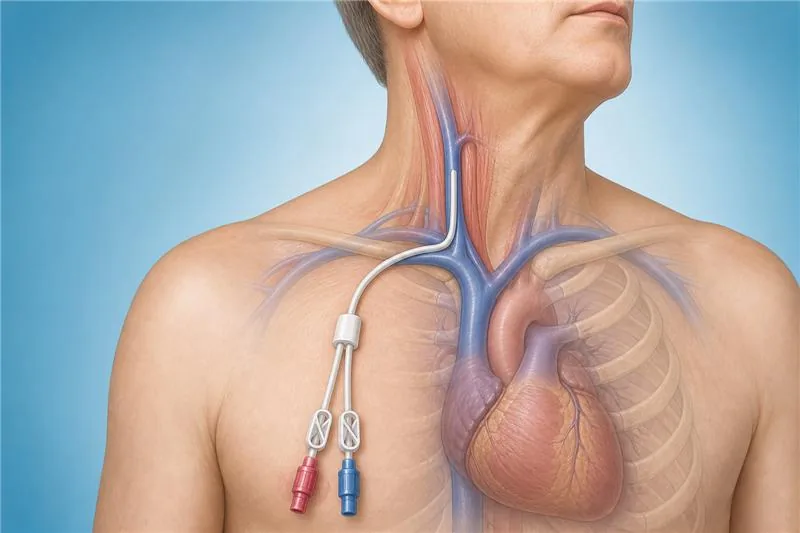
Dialysis catheter insertion creates vascular access for hemodialysis when a permanent fistula or graft is not yet available. Non-tunnelled catheters are often used for urgent dialysis, while tunnelled cuffed catheters may be chosen for longer temporary access according to clinical judgement and expected treatment duration.
Safe placement depends on vein assessment, sterile technique and thorough post-procedure teaching. Infection prevention is critical because catheter-related bloodstream infections can be serious. Dr. Ramesh Vasa provides dialysis catheter insertion at TX Hospitals, Miyapur, with counselling on dressing care, bathing limits and warning signs such as fever, pain or exit-site redness.
Catheters are frequently a bridge to permanent vascular access. Patients receive guidance on fistula planning timelines and how to protect the catheter until a better long-term option is ready. Dysfunction such as poor flows or blockage is assessed promptly so dialysis sessions are not delayed unnecessarily.
Choosing the right catheter type is based on urgency, expected dialysis duration and individual vessel status. Hospital support ensures the procedure and first dialysis sessions are coordinated smoothly for patient safety and comfort.
For tunnelled or non-tunnelled dialysis catheter placement in Hyderabad near Miyapur and Hafeezpet, consult Dr. Ramesh Vasa for specialist access care focused on safety, infection prevention and continuity of hemodialysis.
After catheter placement, the first dialysis session is planned with nursing coordination to confirm flows and patient comfort. Caregivers learn dressing steps and red-flag symptoms before going home. Where possible, parallel planning for permanent access begins early so catheter days are minimised. Safer access today and better access tomorrow remain the twin goals of care.
Hand hygiene and dressing integrity are reinforced with demonstrations, not only verbal advice. If a catheter must remain longer than expected, infection surveillance becomes more intensive. Transition to fistula or graft is celebrated as a safety milestone. Access care excellence protects every hemodialysis session that follows.
Specialist kidney care in Hyderabad works best with regular follow-up, honest reporting of new symptoms and careful medicine adherence between visits. Patients from Miyapur, Hafeezpet, Mathrusree Nagar and nearby West Hyderabad localities can access structured nephrology support with Dr. Ramesh Vasa at TX Hospitals, including clear action plans after every consultation. Education, early intervention and continuity of care remain the foundation of better long-term kidney outcomes for individuals and families managing chronic or acute renal conditions. Appointment availability, lab coordination and procedure planning are organised to reduce delays, so kidney treatment decisions happen at the right time with full clinical context.
What This Procedure Covers
- Non-tunnelled central venous catheters for urgent dialysis
- Tunnelled (cuffed) catheters for longer-term hemodialysis access
- Ultrasound-assisted vein assessment and safe placement
- Infection-prevention counselling for catheter care
- Monitoring for clotting, infection and mechanical issues
- Planning transition to permanent vascular access when appropriate
Symptoms & Warning Signs
- Need to start hemodialysis urgently
- No mature fistula or graft available
- Catheter blockage, poor flows or exit-site infection
- Planned bridge to permanent vascular access
- AKI requiring temporary dialysis access
Who Should Consult
- Patients starting hemodialysis without permanent access
- AKI cases needing temporary vascular access
- People with failed or immature AV fistula/graft
- Dialysis patients needing catheter exchange or salvage
What to Expect at Your Visit
- Access type selection based on clinical urgency
- Sterile insertion with imaging support when needed
- Immediate usability planning for dialysis
- Care instructions and infection-warning signs
Our Procedure Approach
Access Planning
Choose the right catheter type based on urgency, vein status and dialysis needs.
Consent & Preparation
Review labs, explain risks and prepare the insertion site carefully.
Catheter Placement
Insert tunnelled or non-tunnelled catheter with sterile technique.
Aftercare Guidance
Teach catheter care and arrange timely dialysis and follow-up.
Specialist Kidney Care in Hyderabad
Dialysis catheter insertion provides urgent or temporary vascular access for hemodialysis when a fistula or graft is not yet available. Tunnelled and non-tunnelled options are chosen based on clinical need.
At TX Hospitals, Miyapur, Dr. Ramesh Vasa places dialysis catheters with attention to sterile technique, access function and infection-prevention counselling for patients and caregivers.
People starting hemodialysis in Hyderabad often need catheter access as a bridge to permanent vascular access, with specialist follow-up to reduce complications.